
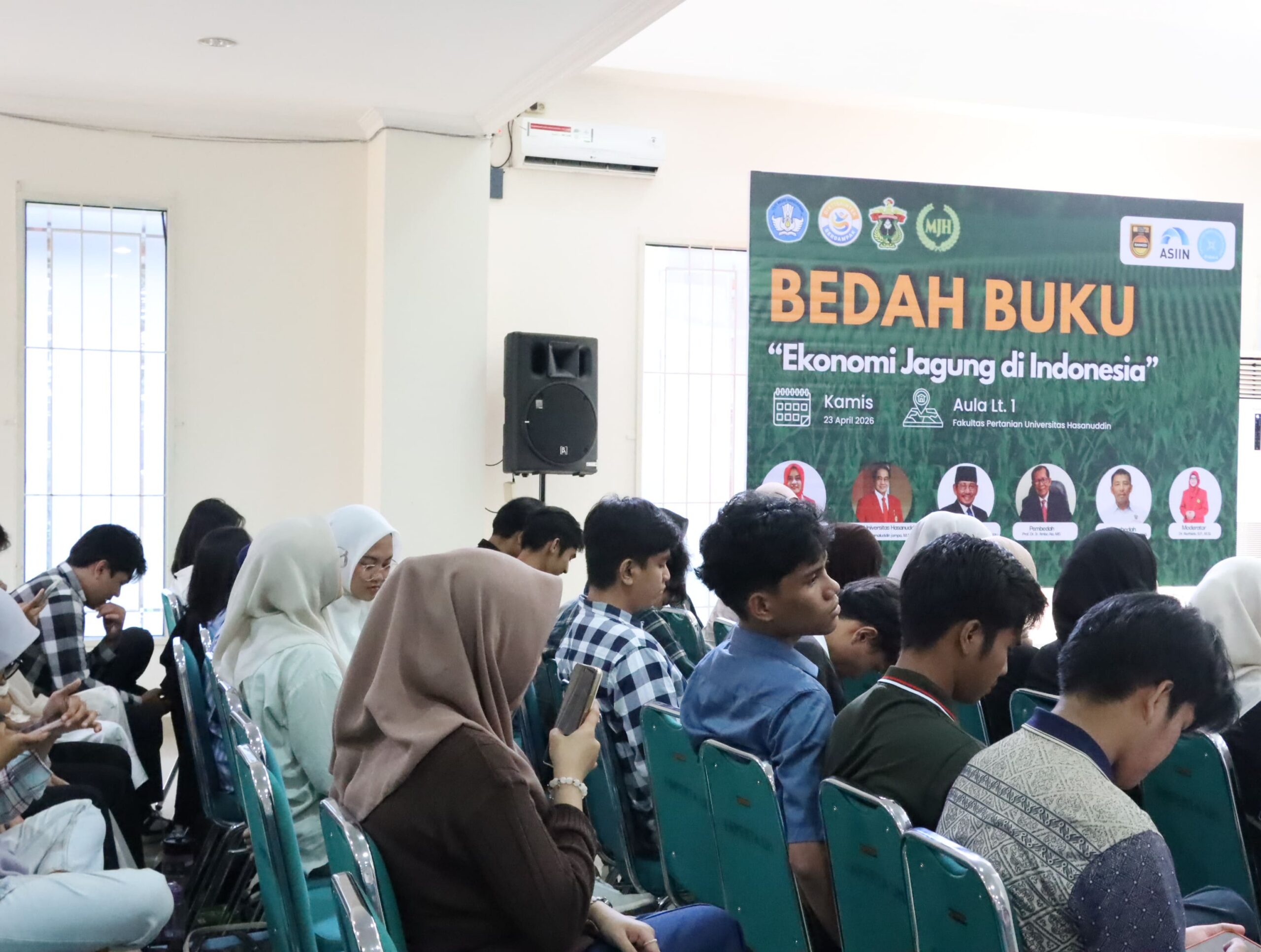
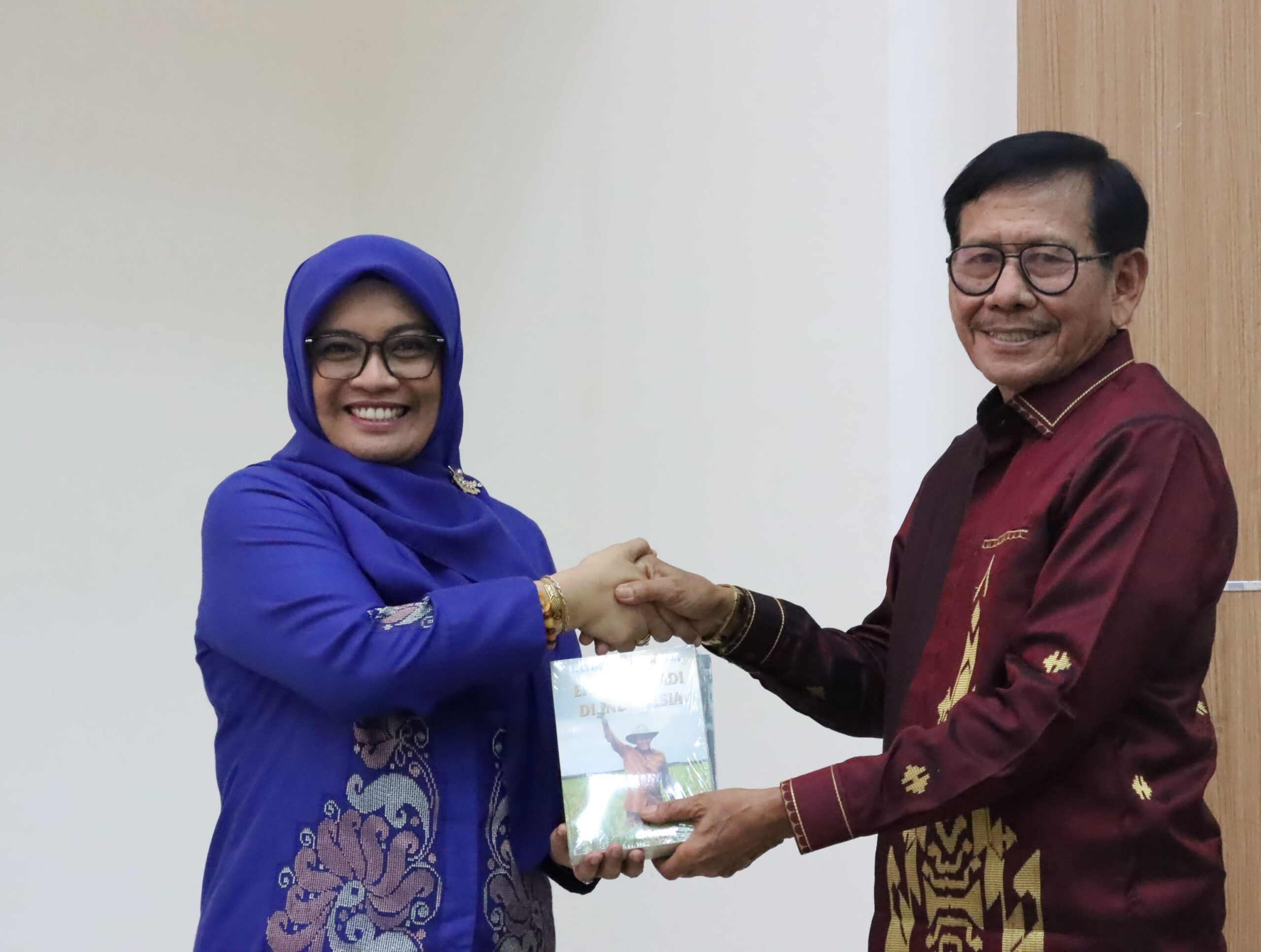
The book review “Corn Economy in Indonesia,” by Prof. Dr. Ir. H. Mohammad Jafar Hafsah IPU., APEC, ASEAN ENG, presented a critical discussion on the role of corn in the national economy. The event took place in the Faculty of Agriculture Hall, Hasanuddin University, on Thursday (April 23).
Kicking off the event, the Dean of the Faculty of Agriculture, Prof. Dr. Ir. Rismaneswati, stated in her remarks that the book “Indonesian Corn Economics” could serve as research material for students, particularly those in agribusiness, during their final exams. She hoped students would draw on innovative ideas from various research perspectives.
“We don’t want our research to end up in the laboratory, but we hope it can be developed downstream so that it can be used for real by farmers,” she said.
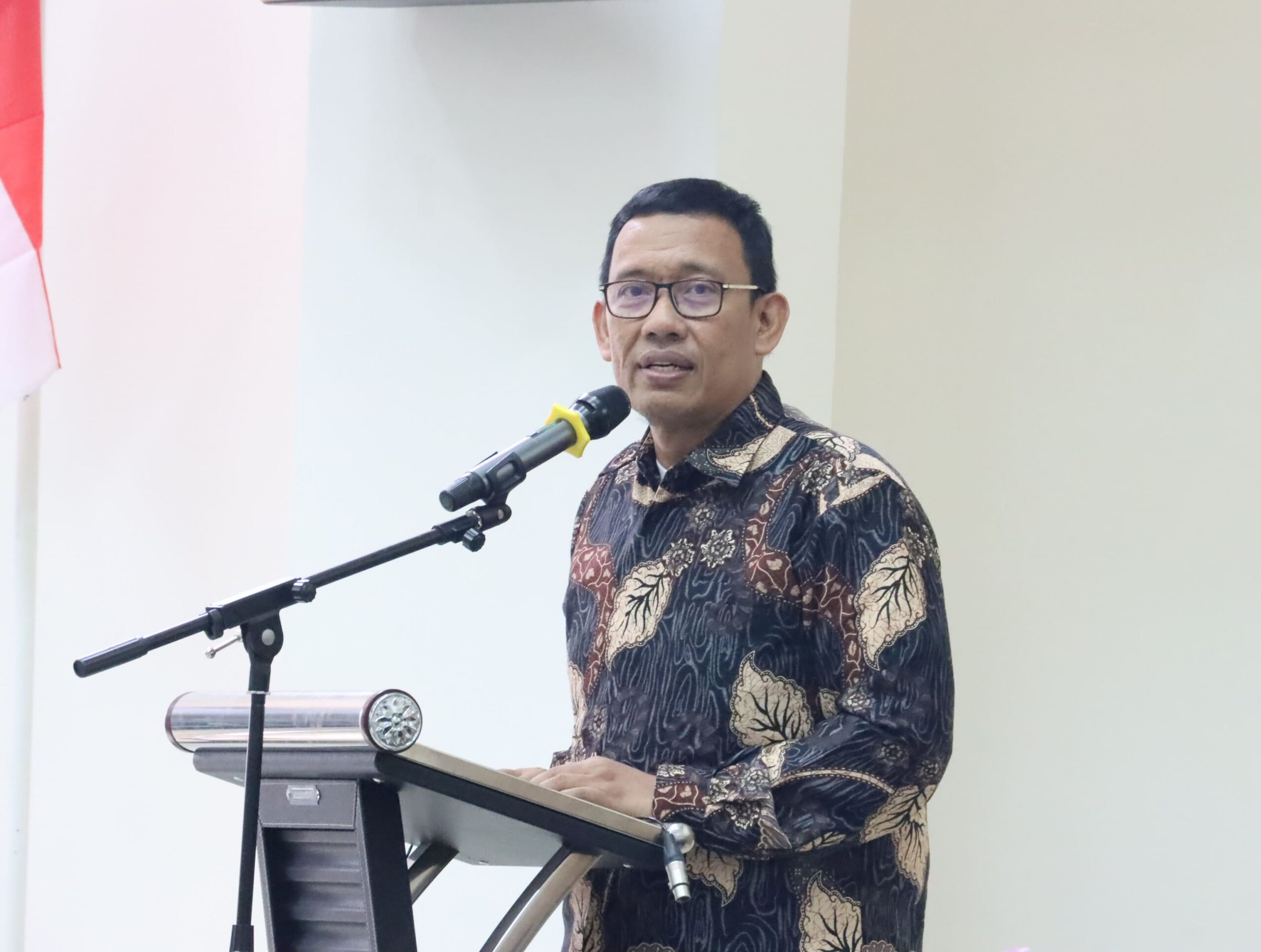
Representing the Chancellor, the Head of the Institute for Research and Community Service (LPPM), Prof. Dr. Muh. Nasrum Massi, Ph.D., Sp.MK(K), also delivered remarks and opened the event. He explained that the Faculty of Agriculture’s contribution is significant, given that corn remains a key research focus that Unhas prides itself on and continues to pursue.
It is hoped that the Faculty of Agriculture can continue to develop superior seeds, especially corn products that are not only for consumption but also become nutritious animal feed.
“Hopefully this book review, which will be presented directly by the author, can provide new insight for us so we can produce output or downstreaming which is continuously being promoted by the Indonesian Ministry of Agriculture,” he explained before officially opening the event.
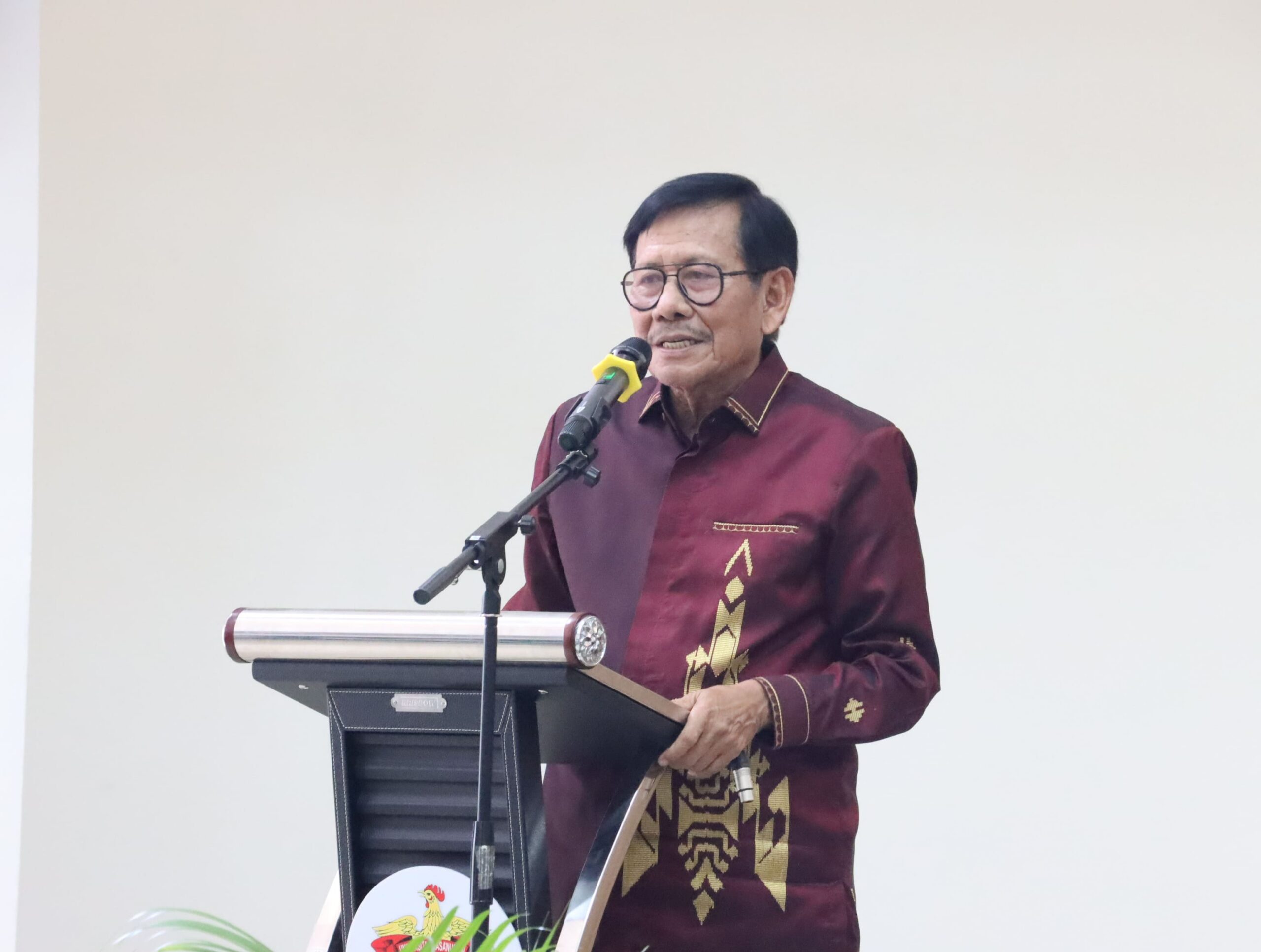
Prof. Jafar Hafsah explained that the background to the creation of the book was based on Indonesia as an agricultural country, corn as a strategic commodity, increasing demand, and the various multifunctional roles of corn.
“Corn remains the second most important carbohydrate after rice, making it a significant contributor to Indonesia’s food supply. Furthermore, almost every part of corn can be utilized, from consumption to feed, compost, and even fuel,” said Prof. Jafar.
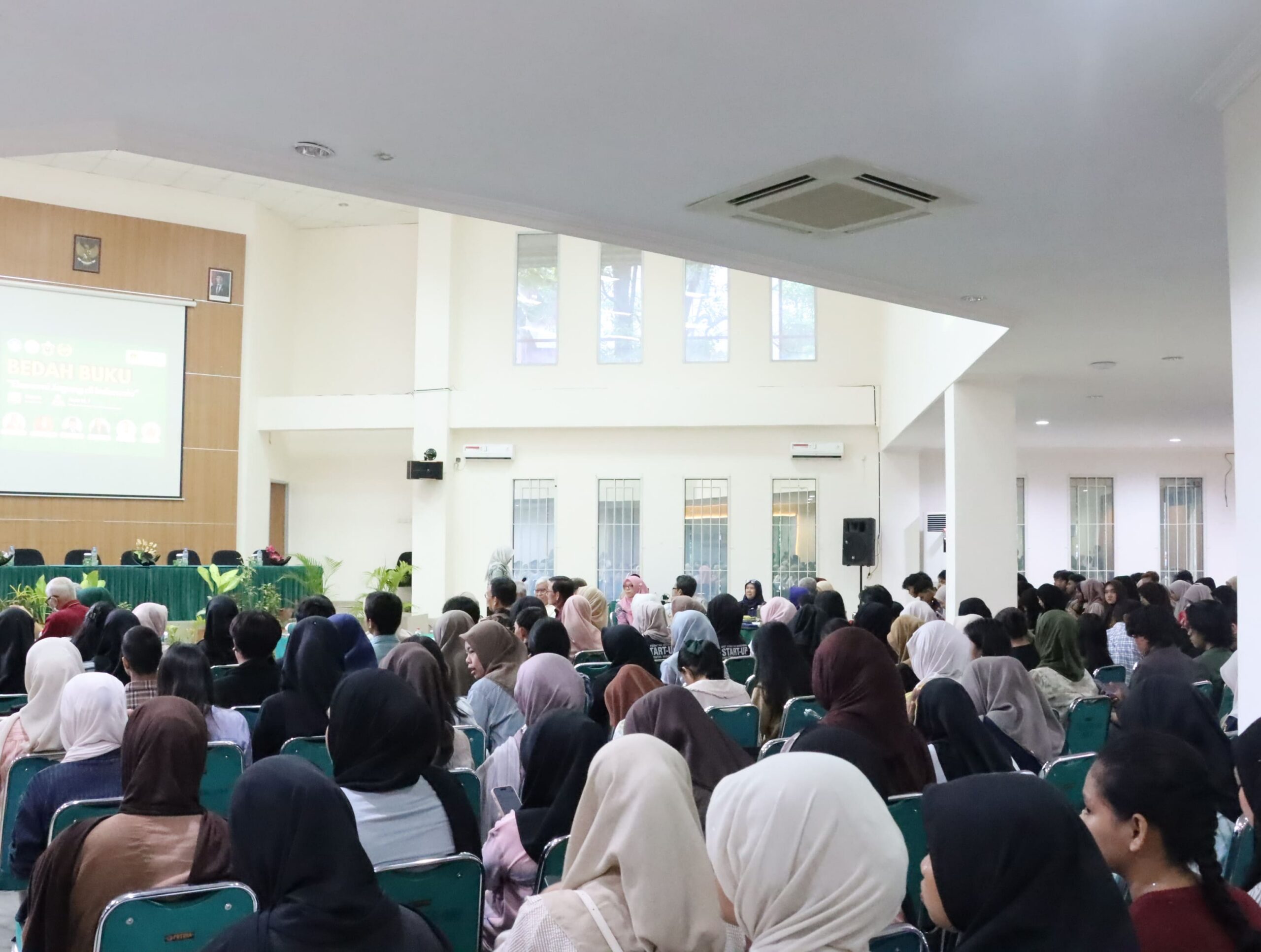
The activity concluded with a discussion and question and answer session, with participants having the opportunity to submit questions and views regarding the role of corn commodities in the national economy.